The technical and economic comparison between console and PC gaming has undergone a significant transformation as of 2026. While the PC platform offers modularity, modern consoles have evolved into highly optimized, high-performance systems that provide a superior value proposition and operational simplicity. This analysis examines the factors contributing to the continued dominance of consoles in the 2026 gaming market.
1. Operational Efficiency and Time Management
In 2026, operational efficiency is a critical metric for consumers. PC gaming often involves significant time investment in system maintenance, including OS updates and driver compatibility management for the latest GPU architectures. In contrast, consoles offer a streamlined “Instant On” experience. Unified hardware specifications allow for low-level software optimization, ensuring immediate and consistent software execution.
2. Economic Analysis of High-Fidelity Gaming
Achieving native 8K resolution or high-frame-rate 4K with ray tracing on a PC requires a capital investment exceeding $2,500. Console manufacturers leverage economies of scale to provide comparable performance at a significantly lower entry price. By utilizing an ecosystem-based revenue model, they democratize access to cutting-edge hardware that would otherwise be cost-prohibitive for the general market.
3. Hardware Optimization and API Integration
Consoles benefit from direct, low-level API access to fixed hardware. Unlike the PC platform, which requires multiple layers of abstraction for broad compatibility, console developers can optimize code specifically for the underlying silicon. This efficiency allows consoles to deliver visual experiences that rival significantly more powerful PC configurations in real-world applications.
4. Social Integration and Local Cooperative Play
Despite the prevalence of digital connectivity, 2026 has seen a resurgence in local cooperative gaming. Consoles remain the primary platform for living room integration, offering seamless support for multiple local inputs and split-screen functionality. The PC platform remains largely optimized for single-user desk environments, presenting higher barriers to social gaming integration.
5. Subscription Ecosystems and Integrated Value
The transition to service-based models, such as Xbox Game Pass and PlayStation Plus, has redefined the economics of software consumption. These ecosystems offer deep integration, including cloud synchronization and multi-title “Quick Resume” features. This level of integrated value provides a more cohesive user experience compared to fragmented digital storefronts on PC.
6. Asset Ownership and Residual Value
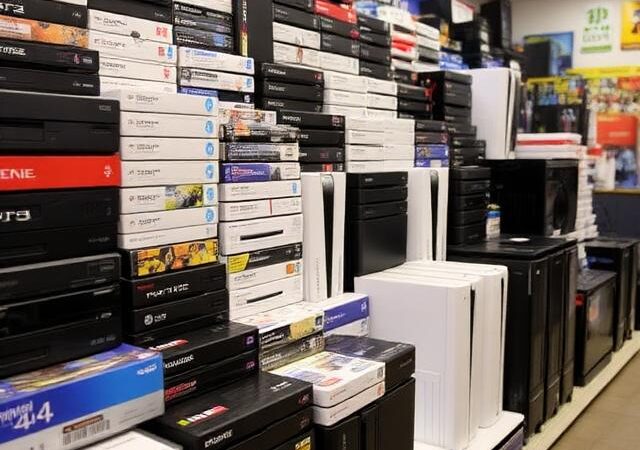
Physical media remains a vital component of the console market, providing consumers with tangible ownership and a secondary market for resale. This “circular economy” allows users to recoup costs, a feature that is absent in the digital-only PC market. For the economically conscious consumer, this provides a clear long-term financial advantage.
Conclusion: Market Position in 2026
While the PC platform remains relevant for niche performance requirements, the modern console represents the optimal balance of performance, value, and accessibility. It serves as a highly engineered gateway to the most sophisticated digital entertainment experiences currently available.
Leave a Reply